Top Home Rehab Tips: Top Strategies for Successful Home Rehabilitation

When it comes to preparing your home for sale or simply improving its value, a well-planned rehabilitation can make all the difference. I’ve learned that successful home rehab is not just about fixing what’s broken but about making smart choices that appeal to buyers and increase your property’s worth. Whether you’re facing time constraints or property challenges, these strategies will help you get the most out of your efforts.
Top Home Rehab Tips to Maximize Your Property’s Value
Starting a home rehab project can feel overwhelming, but breaking it down into manageable steps makes it easier. Here are some of the top home rehab tips I recommend:
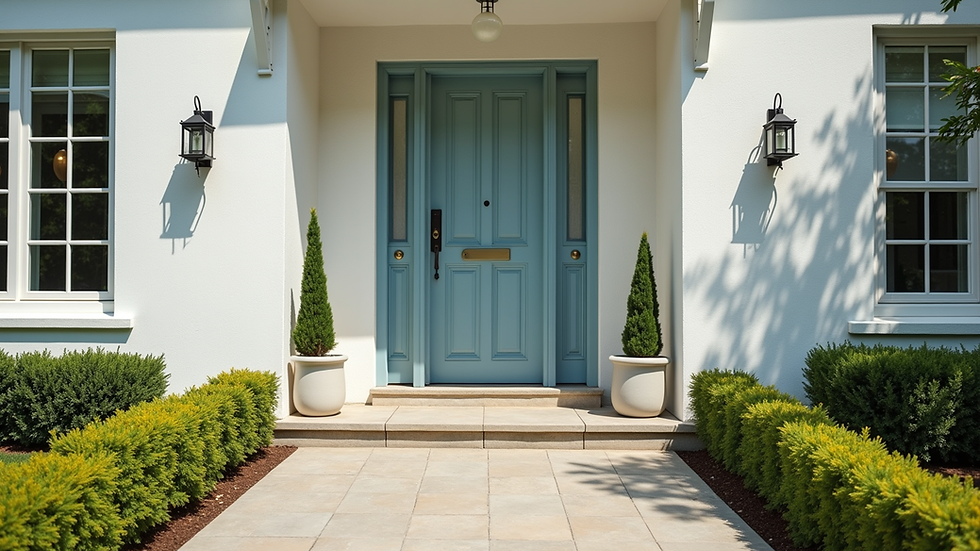
Focus on curb appeal first. The outside of your home is the first thing buyers see. Simple fixes like fresh paint on the front door, clean landscaping, and well-maintained walkways can create a great first impression.
Prioritize kitchens and bathrooms. These rooms often sell homes. You don’t need a full remodel; small updates like new cabinet hardware, modern faucets, or updated lighting can make a big impact.
Fix structural and safety issues. Buyers want a home that’s safe and sound. Address any leaks, cracks, or electrical problems early on.
Keep it neutral and clean. Neutral colors and a clutter-free space help buyers imagine themselves living there.
Set a realistic budget. Know how much you can spend and stick to it. Overspending rarely guarantees a higher sale price.
By focusing on these areas, you’ll create a home that looks cared for and ready to move in.
What is the 30% Rule for Home Renovation?
One rule I find very helpful when planning rehab projects is the 30% rule. It’s a simple guideline that helps you decide how much to invest in renovations relative to your home’s value.
The 30% rule means you should not spend more than 30% of your home’s current market value on renovations. For example, if your home is worth $200,000, your rehab budget should ideally stay under $60,000. This helps ensure you don’t over-improve the property beyond what the market will support.
Why is this important? Spending too much can make it hard to recoup your investment when you sell. On the other hand, spending too little might leave your home looking outdated or in poor condition. The 30% rule strikes a balance, helping you make smart financial decisions.
Keep in mind that this is a guideline, not a strict rule. Some homes may need less or more depending on their condition and local market trends. But it’s a great starting point to avoid costly mistakes.
Planning Your Rehab: Step-by-Step Approach
Planning is key to a smooth rehab process. Here’s a step-by-step approach I use to stay organized and efficient:
Assess your home’s condition. Walk through every room and note what needs repair or updating.
Set clear goals. Decide what you want to achieve - faster sale, higher price, or just making the home livable.
Create a budget. Use the 30% rule as a guide and allocate funds to the most important areas.
Hire professionals if needed. For electrical, plumbing, or structural work, it’s safer and often required to use licensed contractors.
Schedule the work logically. Start with major repairs, then move to cosmetic updates.
Keep track of progress and expenses. This helps avoid surprises and keeps you on budget.
By following these steps, you’ll reduce stress and increase the chances of a successful rehab.

Smart Upgrades That Pay Off
Not all upgrades are created equal. Some improvements add more value than others. Here are some smart upgrades that typically pay off:
Energy-efficient windows and doors. These reduce utility bills and appeal to eco-conscious buyers.
Updated kitchen appliances. New, modern appliances can make your kitchen stand out.
Fresh paint throughout the home. It’s one of the cheapest ways to refresh your space.
Improved lighting. Bright, well-lit rooms feel larger and more inviting.
Refinished hardwood floors. If your home has hardwood, refinishing can bring back its beauty without the cost of replacement.
Avoid over-personalizing your upgrades. Stick to styles and colors that appeal to a broad audience.
Avoiding Common Rehab Mistakes
I’ve seen many homeowners make avoidable mistakes during rehab. Here are some pitfalls to watch out for:
Ignoring permits and codes. Always check local regulations before starting work. Unpermitted work can cause delays or legal issues.
Over-improving for the neighborhood. Your home should fit the area’s market. A luxury renovation in a modest neighborhood may not pay off.
Neglecting small repairs. Fix squeaky doors, leaky faucets, and cracked tiles. These small issues can turn buyers off.
Trying to do everything yourself. DIY can save money but know your limits. Poor workmanship can hurt your home’s value.
Not planning for contingencies. Unexpected problems often arise. Set aside 10-15% of your budget for surprises.
By avoiding these mistakes, you’ll keep your rehab on track and protect your investment.
Why Choosing the Right Rehab Strategy Matters
Choosing the right approach to rehab can save you time, money, and stress. Whether you want to sell quickly or improve your home’s condition, the right strategy makes all the difference.
If you’re looking for the best home rehab strategies, focus on practical, cost-effective improvements that appeal to buyers in your area. Remember, your goal is to make your home attractive and market-ready without unnecessary expenses.
By following these tips and planning carefully, you’ll be in a strong position to sell your home quickly and confidently.
Taking the Next Step with Confidence
Rehabbing your home doesn’t have to be a daunting task. With clear goals, a solid plan, and smart choices, you can transform your property and get it ready for sale or comfortable living.
Remember to focus on curb appeal, prioritize key rooms, and keep your budget realistic. Use the 30% rule as a guide and avoid common mistakes. And if you need help, don’t hesitate to reach out to professionals who understand your local market.
Your home is one of your biggest investments. Treat it with care, and you’ll see the rewards when it’s time to sell or enjoy your space.
Good luck with your home rehab journey!


Comments